

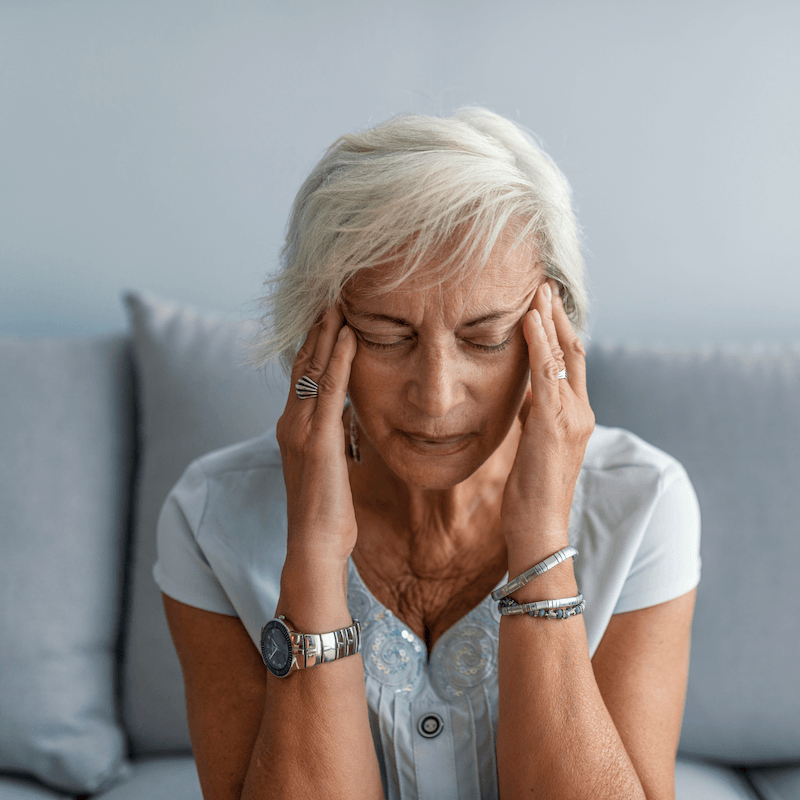
A migraine condition does not always cause debilitating head pain; in clinical reality, a vestibular migraine targets balance function, motion perception, and spatial awareness. Our clinical team conducts comprehensive evaluations for chronic dizziness to establish whether vestibular migraine or another balance condition is present. To achieve successful migraine treatment, patients must understand their symptom patterns and report them accurately to their medical provider.
Comparing Vestibular Migraines to Typical Migraine Headaches
Both vestibular migraine and classic migraine belong to the same neurological spectrum, yet their hallmark symptoms manifest differently. Regular migraine attacks typically revolve around unilateral, throbbing head pain of moderate to severe intensity that increases with everyday motion. Symptoms such as nausea, emesis, light and sound sensitivity, and visual aura phenomena frequently coincide with the head pain.
Vestibular migraine primarily causes vertigo, dizziness, imbalance, or sensitivity to motion. Head pain can emerge during an attack, but it does not have to be present during every vestibular occurrence. Episodes routinely cause a false perception of self-motion or room spinning, dynamic head-movement dizziness, and visual sensory overload.
Qualifying vestibular events standardly run a time course extending from five minutes to 72 hours. Because attack characteristics can change over time, recognizing a migraine etiology is often harder than diagnosing recurring headaches.
Understanding the Biological Mechanisms of Vestibular Migraine
Medical science recognizes that no single underlying disorder functions as the sole cause of vestibular migraine. The disorder likely develops from overlapping neurochemical pathways handling both trigeminal pain and inner ear balance signals. A familial or personal history of classic migraine, alongside persistent motion sickness, frequently predisposes patients to vestibular migraine.
Primary environmental and lifestyle triggers include:
- Irregular resting routines and inadequate nightly sleep
- Skipped meals or dehydration
- Psychological tension or the sudden drop in stress levels following high-pressure events
- Estrogen shifts associated with menstruation, pregnancy, or hormone therapies
- Exposure to bright lights, strobe effects, or visually intricate environments
- Prolonged travel, turbulent physical motion, or rapid digital screen scrolling
- Alcohol intake, fermented foods, cured meats, or idiosyncratic dietary sensitivities
- Atmospheric pressure changes, weather fluctuations, or overwhelming sensory stimulation
Clinical Symptoms of Vestibular Migraine Compared to Regular Migraines
Typical migraine attacks are often recognized by headache, but migraine symptoms extend beyond pain. Clinical presentations frequently feature nausea, vomiting, visual aura, physical exhaustion, mental clouding, neck pain, and sensory hypersensitivity.
Vestibular migraine may include:
- Illusory rotational spinning or non-spinning disequilibrium
- Generalized unsteadiness, stumbling, or compromised physical balance
- Dizziness triggered or aggravated by rapid head turns or tilting
- Gastrointestinal nausea provoked by physical movement or riding in vehicles
- Sensitivity to moving screens, crowds, traffic, or patterned surfaces
- Subjective sensations of standing on a rolling boat deck, floating, vertical tilting, or lateral pulling
- Exaggerated sensitivity to ambient lighting, loud acoustic stimuli, or visual clutter
- Head pressure or migraine-type headache
- Temporary ear pressure, fullness, or ringing
Identifying the specific temporal pattern, duration, and triggers helps clinicians distinguish vestibular migraine from other balance conditions. Sudden dizziness combined with focal weakness, localized numbness, slurred speech, double vision, loss of consciousness, or gait failure necessitates emergency care.
Overlapping Attacks: When Vestibular and Regular Migraines Coincide
Yes, clinical overlap is common. Vertigo and acute migraine cephalalgia can manifest simultaneously during a single attack. The vestibular symptoms can start ahead of the head pain, surface during the headache phase, outlast the cephalalgia, or arise independently. Certain patients experience cyclical shifts, alternating between headache-predominant and vertigo-predominant episodes over extended periods.
A vestibular attack does not require concurrent cephalalgia to have a direct neurovascular migraine origin. Recording daily symptoms in a log can uncover clinical links and triggers that are difficult to recall in retrospect. Note the frequency and length of dizziness, headache qualities, sensory changes, menstrual timing, sleep habits, meals, potential triggers, and therapeutic interventions. Detailed symptom tracking allows your medical provider to conduct a much more precise diagnostic assessment.
How Can a Doctor Diagnose the Cause of Vestibular Migraines?
No single blood test, scan, or balance test confirms vestibular migraine. Clinical assessment begins with a meticulous clinical history exploring episode traits and personal migraine patterns with or without aura. Current criteria generally include at least five moderate or severe vestibular episodes lasting five minutes to 72 hours, with migraine features during at least half of them.
Our team carries out comprehensive neurological evaluations, ocular motor exams, ear assessments, diagnostic hearing tests, and vestibular function studies. Depending on the symptoms, testing may include an audiogram, positional testing, vestibular studies, or imaging. These tests help identify or rule out conditions that can cause similar dizziness. Vestibular migraine is diagnosed solely when the symptom pattern satisfies consensus criteria and another etiology cannot better account for the condition.
Clinical Management and Treatment Options for Vestibular Migraines
Care plans are individualized to match your specific attack frequency, symptom severity, comorbid headaches, general medical background, and medication tolerances. Patients generally experience the most robust improvement by utilizing both daily prophylactic strategies and targeted abortive medications during flares.
We help build a customized treatment plan, which may include:
- Establishing stable sleep hygiene, consistent meal schedules, optimal hydration, and routine physical conditioning
- Identifying and mitigating specific individual dietary, visual, or physiological triggers
- Implementing evidence-based stress-reduction protocols, biofeedback, or behavioral therapies
- Medication for nausea or other acute symptoms
- Measured, temporary use of vestibular suppressant pharmaceuticals during severe vertigo crises
- Preventive pharmacological agents like beta-blockers, calcium channel blockers, topiramate, targeted antidepressants, or modern migraine therapies
- Vestibular rehabilitation for persistent motion sensitivity or imbalance
We prescribe vestibular suppressants conservatively, given that regular consumption causes sedation and delays the brain’s natural compensation mechanisms. Therapeutic pharmaceutical regimens must be determined in consultation with our medical providers rather than copying another patient’s regimen. Patient recovery regularly requires incremental dosage adjustments and ongoing monitoring of treatment response over several months.
Book Your Vestibular Migraine Consultation
If recurring vertigo, motion sensitivity, or imbalance is disrupting daily life, schedule an evaluation with us. Your appointment involves analyzing your migraine history, medical background, and lifestyle goals, followed by clinical testing to separate vestibular migraine from conditions like BPPV or Ménière’s disease. Get in touch with our ENT clinic now to request your vestibular migraine appointment.